UK Gambling Duty Changes: How the Rise From 15% to 25% Hits NFL Punters
 Available in US

I placed a standard NFL spread bet in January 2025 at 10/11 — the bread-and-butter price for a points handicap at any UK bookmaker. By January 2028, the same bet at the same bookmaker on the same type of market will almost certainly pay worse. Not because the bookmaker got greedier. Because the government took a larger slice, and bookmakers will pass the cost to punters through wider margins. The UK’s planned gambling duty increase from 15% to 25% on online betting is the single most impactful regulatory change in a generation for anyone wagering on the NFL from Britain.
The UK gambling industry generates GBP 16.8 billion in gross gambling yield annually, and the remote (online) sector accounts for 46% of that figure. NFL betting sits squarely within the remote sector. Every percentage point added to the duty rate flows through the entire chain — from the Treasury to the bookmaker’s balance sheet to the odds displayed on your screen.
How the Current Duty Structure Works
Right now, UK-licensed online bookmakers pay a 21% duty on their gross gambling yield — that is, the total amount wagered minus the total amount paid out in winnings. For remote operators, this replaced the earlier 15% point-of-consumption tax that was introduced in 2014. The rate has already climbed in stages, and the proposed increase to 25% represents the latest escalation.
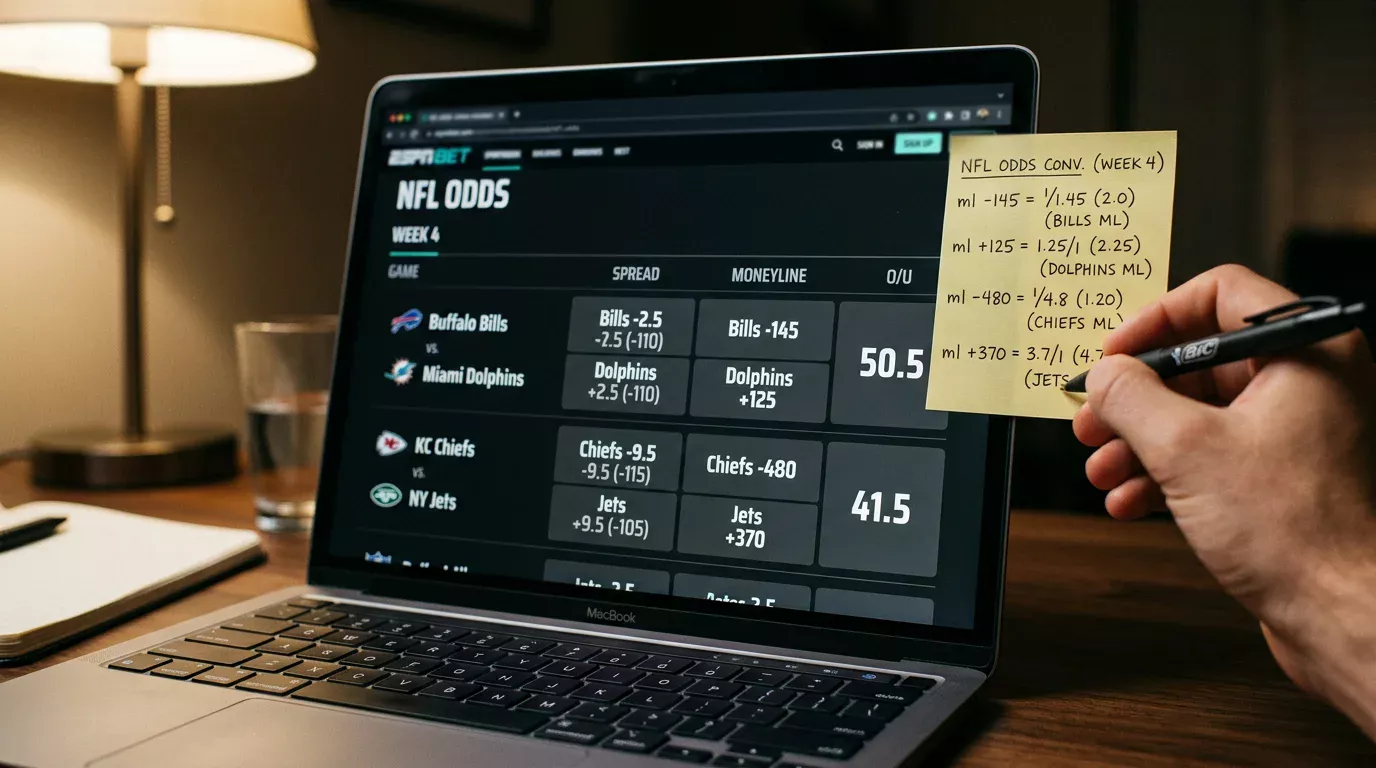
Gross gambling yield is the metric that matters because it directly reflects how much money the bookmaker retains from your bets. On a standard NFL spread market priced at -110 each side (10/11 fractional), the bookmaker’s theoretical hold is approximately 4.5% of the total handle. From that 4.5%, the bookmaker currently pays roughly 21% in duty to HMRC, which leaves around 3.5% to cover operations, marketing, technology, and profit. The margins are thinner than most punters assume.
The duty applies to all bets placed with UK-licensed operators regardless of the sport or event. An NFL spread bet, a Premier League accumulator, and a Grand National each-way wager all generate GGY that falls under the same tax regime. There is no separate rate for American sports, which means changes to the headline duty rate affect your NFL betting directly, even though the political conversation around gambling regulation rarely mentions the NFL by name.
What the Proposed Duty Rise to 25% Means in Practice
When the duty rises, bookmakers face a choice: absorb the cost and accept lower profits, or pass the cost to customers through less generous odds. Every major operator I have observed chooses a combination of both, but the balance tips heavily toward the customer bearing the burden. The arithmetic is straightforward. If a bookmaker currently retains 4.5% of NFL handle and pays 21% duty on that yield, the effective duty cost is approximately 0.95% of total handle. At 25%, the effective duty cost rises to roughly 1.13% of handle. That 0.18% increase sounds trivial until you multiply it across millions of pounds in weekly NFL wagering — and until you realise the bookmaker will recoup it by widening the spread from -110/-110 to something closer to -112/-112 or by trimming promotional spend.
For a punter placing GBP 100 on a standard NFL spread bet, the immediate impact might be a price shift from 10/11 to something like 9/11 or 5/6. The difference per bet is small — a few pence in expected value. But compounded across a full 18-week NFL season with multiple bets per week, the cumulative drag on your returns is measurable. A punter who was breaking even before the duty rise will find themselves underwater after it, unless they improve their understanding of UK betting regulation and adjust their approach.
Promotional budgets will also contract. The US gambling industry spent approximately $442.5 million on television advertising in 2025, and UK operators allocate proportionally significant budgets to welcome offers, free bets, and odds boosts. Higher duty rates compress the funds available for promotions, which means the free-bet landscape for NFL punters in the UK will become less generous. Fewer sign-up bonuses, smaller acca boosts, and shorter promotional windows around events like the Super Bowl are all foreseeable consequences.
How the Duty Rise Affects NFL Odds and Market Competitiveness
The UK’s regulated market remains among the most competitive in the world, and the duty increase will not eliminate that competition overnight. But it will narrow the field. Smaller operators with thinner margins may exit the UK market or reduce their NFL product offering, leaving a smaller number of larger bookmakers to set prices. Fewer competitors means less pressure to offer sharp odds, which means the punter’s expected value erodes further.
UK punters already face a structural disadvantage compared to Americans betting through low-margin sportsbooks in competitive US states like New Jersey or Nevada. The duty increase widens that gap. An NFL spread bet that costs 4.5% in margin at a UK bookmaker and 4.2% at a US sportsbook will shift to 5% versus 4.2% after the duty rise — a divergence that compounds aggressively over hundreds of bets per season.
The practical response is not to stop betting on the NFL. It is to become more selective. When margins tighten, edge matters more. Punters who line shop across multiple UK bookmakers, focus on markets with lower inherent overround, and eliminate low-value entertainment bets will weather the duty increase far better than punters who continue placing the same volume of bets without adjusting for the new pricing environment.
Preparing Your NFL Betting Approach for a Higher-Duty Era
The most actionable preparation is simple: start tracking your true cost per bet now, before the increase takes effect. Record the odds you receive, calculate the implied overround on each market, and compare it to the theoretical fair price. If you discover that your average NFL spread bet already carries a 5% overround, a duty-driven increase to 5.5% might push your expected value firmly negative. That knowledge forces better decisions — or at least forces the decision to bet less frequently on higher-confidence selections rather than scattering action across the slate.
Exchanges, where available for NFL markets, become relatively more attractive in a higher-duty environment because exchange commission structures differ from bookmaker margin structures. The duty increase affects bookmaker GGY directly, but exchange commission is paid by the bettor at a fixed rate on net winnings, and that rate is not directly altered by changes in gambling duty. If UK exchanges expand their NFL liquidity — a trend that has been slowly building — they may offer a genuine alternative for punters seeking better effective odds post-duty-rise.
The long view suggests the UK gambling duty will continue to climb as successive governments seek revenue from an industry that generates limited public sympathy. For NFL punters, this means the cost of participating in the market will rise incrementally over time, and only those who treat their betting as a disciplined, data-driven activity will maintain a viable edge. The punters who thrive in a higher-duty era are the same ones who thrive now — the ones who measure everything, waste nothing, and refuse to pay more than fair price for any wager.
When does the UK gambling duty increase take effect?
The UK government has signalled a phased increase in remote gambling duty from the current 21% toward 25% on gross gambling yield. The exact implementation timeline depends on legislation, but the industry expects changes to take effect in stages between 2026 and 2028. Check HMRC announcements for confirmed dates.
Will UK bookmakers still offer NFL markets after the duty increase?
All major UK-licensed bookmakers will continue offering NFL markets. The duty increase affects profitability but does not make NFL markets unviable for operators. However, smaller operators may reduce their NFL product range, and promotional offers around NFL events like the Super Bowl may become less generous.
Prepared by the nfl Sports bet editorial staff.