NFL Betting UK Law: Gambling Act Mandates and Licensing
 Available in US
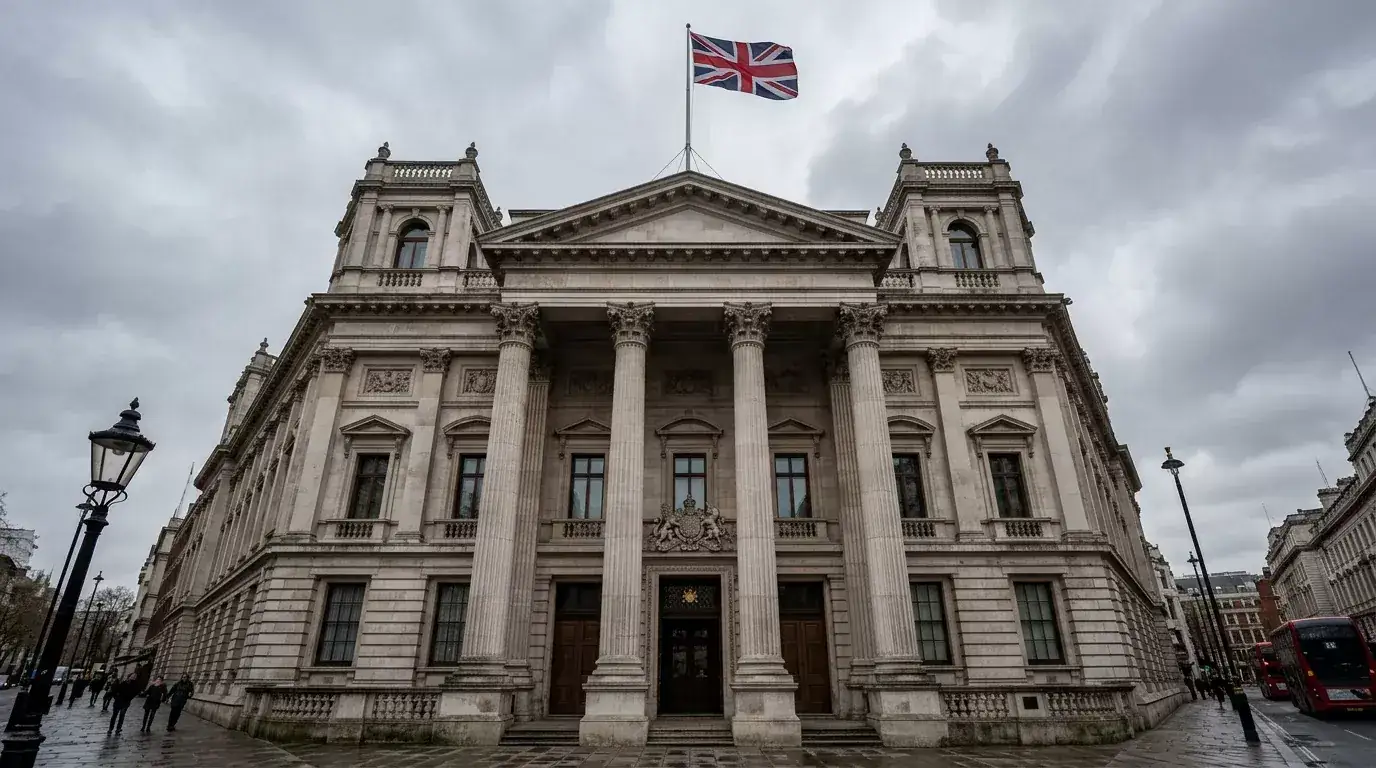
I get asked whether NFL betting is legal in the UK at least once a week. The question usually comes from punters who follow American NFL coverage and absorb the constant discussion about state-by-state legalisation, offshore sportsbooks, and regulatory patchwork. That confusion is understandable — the US legal landscape for sports betting is genuinely complicated. The UK’s, by comparison, is not. Betting on the NFL is fully legal in the United Kingdom through any operator holding a licence from the UK Gambling Commission, and it has been since the Gambling Act 2005 established the framework that governs the industry today.
The UK gambling industry generated a gross gambling yield of GBP 16.8 billion in the financial year ending March 2025, a 7.3% increase year on year. That is a regulated, taxed, supervised market operating under one of the most comprehensive gambling regulatory frameworks in the world. Understanding how that framework applies to your NFL bets is not just a matter of legal curiosity — it directly affects the protections available to you, the odds you receive, and the tools you can use if something goes wrong.
Ensuring you are using a licensed operator is the first step before you start following expert NFL betting predictions and staking your money.
UKGC Bookmaker Verification: Gambling Act 2005 Compliance Requirements
Andrew Rhodes, the CEO of the UK Gambling Commission, has stated that the introduction of new rules must be grounded in evidence and reflect the views of consumers. That philosophy underpins the entire UKGC regulatory approach, which treats all licensed sports betting — including wagering on American sports — under a single set of rules rather than sport-specific regulations.
The Gambling Act 2005 replaced the patchwork of earlier legislation with a unified framework. It created the Gambling Commission as the regulator, established a licensing system for operators, and set out the three objectives that guide all regulation: keeping gambling crime-free, ensuring gambling is conducted fairly, and protecting children and vulnerable people. Every bookmaker offering NFL markets to UK residents must hold a remote operating licence from the UKGC, regardless of where the company is headquartered.
What does this mean in practice for your NFL bets? First, any odds offered to you must be genuine — the bookmaker cannot change the terms of a bet after you have placed it (though they can void bets in specific circumstances, such as obvious pricing errors). Second, your funds must be held in accounts that are either segregated from the operator’s business funds or protected through an alternative arrangement, so that if the company becomes insolvent, you have recourse to recover your balance. Third, the operator must provide responsible gambling tools — deposit limits, time-out periods, self-exclusion — and make them accessible, not buried in settings menus.
The UKGC also mandates identity verification before you can withdraw winnings or, in many cases, before you can even deposit beyond a modest threshold. This Know Your Customer (KYC) process requires proof of identity and address, and some operators now conduct affordability checks to assess whether your level of gambling activity is proportionate to your financial situation. These checks are a relatively new and controversial addition to the regulatory toolkit, but they apply equally to someone betting on the NFL as to someone betting on the Premier League.
UK vs US: Why NFL Betting Is Simpler on This Side of the Atlantic
If you have spent any time consuming American NFL betting content, you will have encountered discussions about which states allow sports betting, which require in-person registration, which restrict certain bet types, and which still prohibit it entirely. Three-quarters of Americans now support legal sports betting in their state, but the reality on the ground remains a patchwork — some states launched mobile betting years ago, others restrict it to in-person at casinos, and a handful still treat all sports wagering as illegal.
None of that complexity exists in the UK. The UKGC licence is national, covering England, Scotland, Wales, and Northern Ireland. There are no regional restrictions on bet types — you can place spreads, moneylines, props, futures, accumulators, and bet builders from any location in the UK. There is no requirement to physically visit a betting shop to register an account (though the UK still has 5,825 licensed betting shops for those who prefer it). And there is no legal distinction between betting on domestic sports and betting on international sports, so NFL markets carry the same regulatory protections as Premier League markets.
The one area where UK regulation is arguably more restrictive than the US is advertising. The UK has tighter controls on gambling advertising, including watershed restrictions on television, content rules enforced by the Advertising Standards Authority, and a growing trend toward voluntary and mandatory limits on sponsorship — a topic I explore in more depth elsewhere. For punters, these advertising restrictions have no impact on what you can bet on or how much you can stake; they affect only how aggressively bookmakers can promote their services to you.
Always wager safely and responsibly while using the resources available at GRIDBET.
Gambling Act Reform, Financial Risk Checks and What Is Ahead
The Gambling Act 2005 is over two decades old, and the regulatory landscape has shifted enormously since it was written. The government’s 2023 White Paper on gambling reform signalled the most significant update to the framework since its inception, and several of its proposals are now moving toward implementation.
The most consequential change for everyday punters is the introduction of financial risk checks — sometimes called affordability checks. Under the proposed framework, operators will be required to assess whether a customer’s gambling activity is financially sustainable, using a combination of open banking data, credit reference information, and the customer’s own declarations. The precise thresholds and mechanisms are still being refined, but the direction is clear: if your betting activity exceeds certain spending levels within a defined period, the operator may be required to verify that you can afford it before allowing further deposits.
For NFL bettors, this has practical implications. A punter who concentrates heavy betting activity into the five-month NFL season — perhaps staking modestly during summer and then significantly more from September to February — might trigger affordability checks that a year-round bettor at a lower consistent level would not. The checks are not sport-specific, but the seasonal pattern of NFL betting naturally creates spikes in activity that the monitoring systems will flag.
The government has also announced increases to gambling duty rates, with online sports betting duty rising from 15% to 25% and remote gaming duty climbing from 21% to 40%, effective from April 2027. These tax increases will be absorbed partly by operators and partly passed through to punters in the form of wider margins and shorter odds. I cover the specific impact on NFL betting prices in a separate analysis, but the headline is clear: betting in the UK is about to become more expensive for both the industry and the customer.
Other reform elements include a mandatory ombudsman for gambling disputes, enhanced protections for younger adults aged 18-24, and tighter rules around VIP schemes and inducements. The cumulative effect is a regulatory environment that is becoming progressively more interventionist — not in terms of what you can bet on, but in terms of how the relationship between punter and bookmaker is supervised.
Do I need to verify my identity to bet on the NFL in the UK?
Yes. All UKGC-licensed operators must verify your identity before allowing withdrawals, and most now require verification before you can deposit beyond a small threshold. This involves providing proof of identity (passport, driving licence) and proof of address (utility bill, bank statement). The process is typically completed online within minutes using document upload, though some cases require manual review that can take 24-48 hours.
Are offshore NFL sportsbooks legal for UK residents?
Using an offshore sportsbook that is not licensed by the UKGC is not a criminal offence for the individual bettor in the UK, but it is illegal for the operator to offer services to UK residents without a licence. More importantly, unlicensed operators offer none of the consumer protections that come with UKGC licensing — no fund segregation, no dispute resolution, no responsible gambling tools, and no regulatory oversight of odds fairness. If something goes wrong, you have no recourse.
Created by the ”nfl Sports bet” editorial team.