NFL Cash Out Betting: When Early Settlement Pays and When It Costs You
 Available in US
I once cashed out a four-leg NFL accumulator at halftime for a tidy 65% return. The final leg was the Jacksonville Jaguars covering three points, and they were trailing by ten at the break. Smart move, I told myself — right until the Jags stormed back in the third quarter and covered with room to spare. That single decision cost me more than three hundred pounds in lost profit, and it taught me a lesson I still carry: the cash out button is the most psychologically loaded feature in modern sports betting.
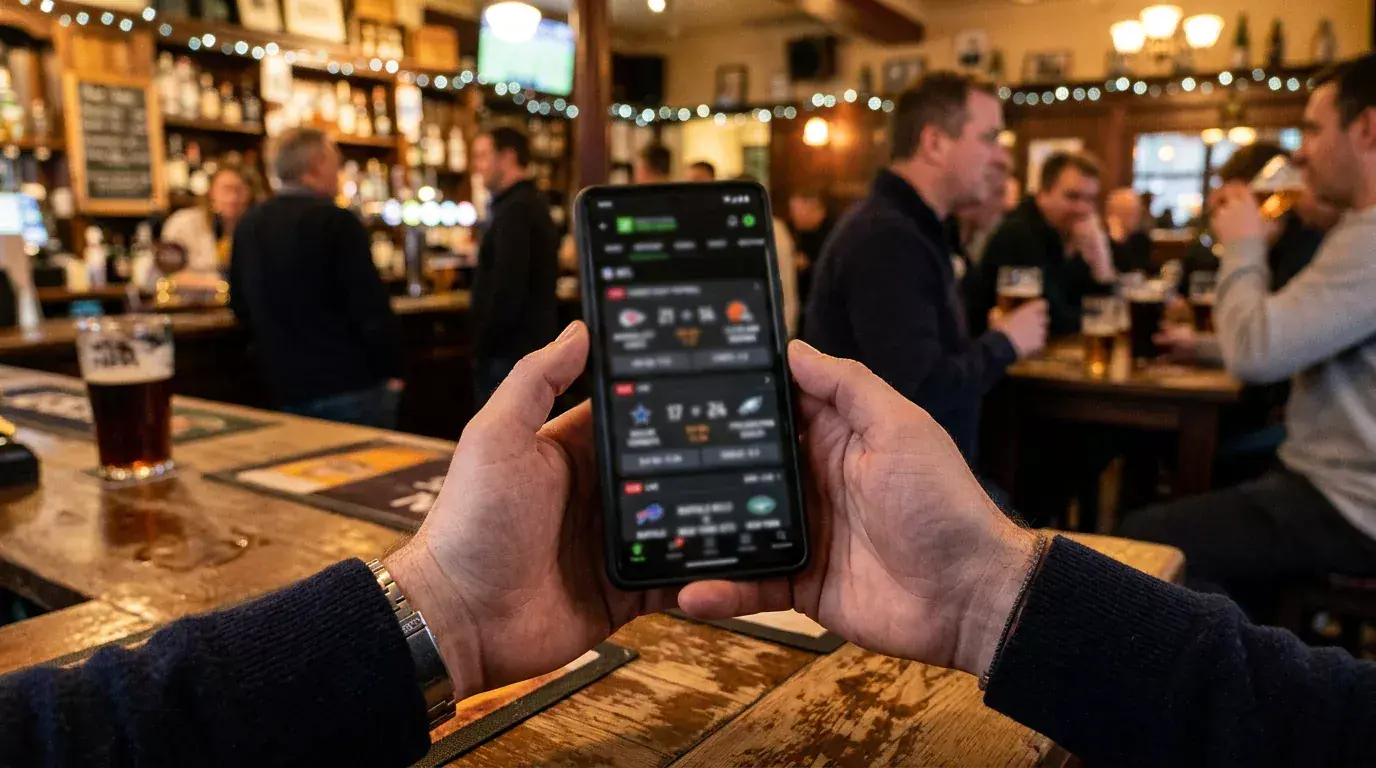
Cash out — or early settlement, as some UK bookmakers label it — lets you close a bet before the event finishes. The bookmaker calculates a live offer based on current odds, deducts a margin, and presents a take-it-or-leave-it figure. Every major UK operator now offers it on NFL markets, largely because in-play wagering accounts for more than 60% of all online football bets placed across Europe. The feature fits the way people actually bet: on their phones, mid-game, reacting to what they see.
The problem is that cash out pricing is not a neutral tool. It is a product designed to generate revenue for the bookmaker, and understanding exactly how that works is the difference between using it wisely and giving away expected value every Sunday.
How Cash Out Pricing Works
A friend of mine spent two years as a trading analyst at a UK sportsbook, and the first thing he told me about cash out was this: the margin on a cash out offer is almost always wider than the margin on the original bet. That single fact shapes everything.
When you place a pre-match NFL spread bet at 10/11, the bookmaker’s overround sits around 4.5-5%. When the same bookmaker generates a cash out offer mid-game, the implied overround on that offer typically runs between 8% and 15%, depending on the operator and the volatility of the match. The average hold rate across US sportsbooks has climbed from 6.7% in 2018 to above 9% — and cash out margins sit comfortably above even that elevated baseline.
Here is the mechanics. Suppose you backed the Buffalo Bills at -3.5 before kickoff at odds of 10/11, staking twenty pounds. At halftime, the Bills lead by seven. The bookmaker recalculates your bet’s value using live odds — say the Bills are now 1/5 to cover — then applies a margin. A fair cash out might be sixteen pounds profit, but the offer you see is closer to thirteen. That three-pound gap is the bookmaker’s fee for letting you settle early.
Some operators are more aggressive than others. I have seen cash out offers on NFL markets where the implied margin exceeded 20% during high-volatility moments — a turnover deep in the red zone, a quarterback injury, a two-minute drill. The wider the price swings, the larger the spread between fair value and the cash out offer. Bookmakers price uncertainty into the offer, and NFL games produce uncertainty in bursts.
The mental trap is that cash out offers are presented as your money, sitting there, ready to collect. They feel like a withdrawal from an ATM. They are not. They are a new bet — a bet that the remaining value of your position is worth less than what the bookmaker is offering. And the bookmaker is offering you less than fair value every single time.
Partial Cash Out and How to Use It
Last October I had a 25-pound futures bet on the Detroit Lions to win the NFC North at 7/1. By Week 10 they were top of the division and the cash out offer sat at around 90 pounds. I did not want to close the whole position — the Lions looked strong and the full payout was 200 — but I also did not want to walk away with nothing if they collapsed down the stretch. Partial cash out solved the problem.
Most UK bookmakers now let you cash out a percentage of your bet. I took 40% of the offer, locking in roughly 36 pounds while leaving 60% of my original stake running. If the Lions won the division, I would still collect 120 from the remaining portion. If they fell apart, I had already banked a profit.
Partial cash out is the most useful version of the feature because it lets you reduce variance without fully surrendering your edge. The margin still applies to the portion you cash out, but you are paying that margin on a smaller amount. Think of it as selling part of your position rather than liquidating entirely. In financial markets this is standard practice; in betting it is relatively new and genuinely useful for live NFL betting situations where the game script shifts unexpectedly.
A practical framework: if your bet is more than 70% of the way to winning and you have a meaningful liability relative to your bankroll, cashing out 30-50% is a reasonable hedge. If the bet is less than halfway there, the cash out offer will be poor and you are better off letting it ride or accepting the loss.
When Holding Beats Settling
I keep a spreadsheet of every cash out decision I have made over four NFL seasons. The results are clear and unflattering: in 73% of cases where I cashed out, holding the original bet would have returned more money. That number shocked me when I first tallied it, but it makes mathematical sense. The bookmaker’s margin on cash out ensures that, on average, the punter gives up expected value by settling early.
There are specific NFL scenarios where holding is almost always correct. First, when your spread bet is covering by more than a touchdown in the second half. NFL teams that lead by seven or more after halftime win and cover at a rate above 70% historically, yet cash out offers in those situations rarely reflect that probability fairly. The bookmaker prices in the possibility of a comeback more heavily than the data supports.
Second, when you have a totals bet and the pace of scoring aligns with your position. If you backed the over at 44.5 and the first-half total is already 28, the game is on track and the cash out offer will be stingy. You are paying a premium to avoid a risk that is already diminishing naturally.
Third, futures bets in the second half of the season. The closer a futures bet gets to resolution, the worse the cash out margin becomes relative to the probability of winning. A team that is 3/1 to win the Super Bowl in January has a quantifiable edge over the cash out offer — the bookmaker is buying your ticket back at a discount when the event is weeks away.
The times when cashing out does make sense are narrow. If you have information the market does not yet reflect — a key player limping off the field before the broadcast shows it, or a weather change you have noticed at the stadium — the cash out offer might lag behind reality, and settling quickly locks in a price that will soon drop. If your bankroll cannot absorb the potential loss and you are overexposed on a single bet, cashing out is a risk management decision rather than a value decision. And if you placed the bet on a whim without proper analysis and now recognise that your position was weak from the start, there is no shame in cutting your losses efficiently.
The worst reason to cash out is anxiety. That feeling in the fourth quarter when the lead narrows and your heart rate climbs — that is exactly the moment the bookmaker designed the feature for. The cash out button is positioned, timed and priced to capitalise on emotional decision-making. Recognising that does not make the anxiety disappear, but it should make you pause before tapping.
The Discipline of Doing Nothing
After four years of tracking my cash out decisions, I have arrived at a simple rule: I do not cash out single bets. Period. For accumulators, I allow myself one partial cash out per weekend if a specific threshold is met — the bet must be at least 75% complete and the cash out offer must exceed my total stake by at least three times. Everything else, I let run.
This rule has not made me more money every single week, but it has made me more money across every season since I adopted it. The maths supports it, the data supports it, and more importantly, it removes the decision entirely. I do not sit there weighing up whether to cash out because the decision is already made. That psychological freedom is worth more than any individual settlement.
If you are new to NFL betting and the cash out feature feels like a safety net, I understand the appeal. Use it sparingly. Track every decision. And remember that the bookmaker is not offering you cash out because they want you to win — they are offering it because, on average, it makes them money.
Is NFL cash out available at all UK bookmakers?
Most major UK bookmakers offer cash out on NFL pre-match and in-play markets, though availability varies by bet type. Single bets and accumulators typically qualify, but some promotional bets, free bets and enhanced-odds offers are excluded. Check the terms before placing your bet if early settlement is part of your strategy.
Does partial cash out affect the odds on the remaining portion of my bet?
No. When you partially cash out, the remaining portion of your bet continues at the original odds. You receive a proportional payout on the cashed-out portion, minus the bookmaker’s margin, while the rest of your stake runs as if nothing changed. The only difference is that your potential return is reduced in proportion to the amount you settled.
Created by the ”nfl Sports bet” editorial team.